



One-Stop-Shop Customer-Centric Solution Integrators: The Future of Warehousing
Warehouse automation is changing fast. In the past, automation was mainly about machines conveyors, sorters, or storage systems working to serve specific need. Today, success depends less on individual equipment and more on how well different technologies work together as an end-to-end solution. This shift is known as solution integration.
Across the intralogistics industry, there is a clear shift away from traditional, standalone mechanized systems toward smart, robotics, customer-centric, connected and fully integrated solutions. This transition is essential to cope with the growing complexity and diversity of modern warehouse operations.
Today’s warehouses rarely rely on a single technology or vendor. Operations combine conveyors, sorters, AS/RS, robotics, AMRs, picking stations, and manual processes, often supplied by different providers. While each system may perform well on its own, real value is only created when these technologies are seamlessly connected and operate as one coherent flow.
This is where solution integration becomes the foundation of modern warehousing.
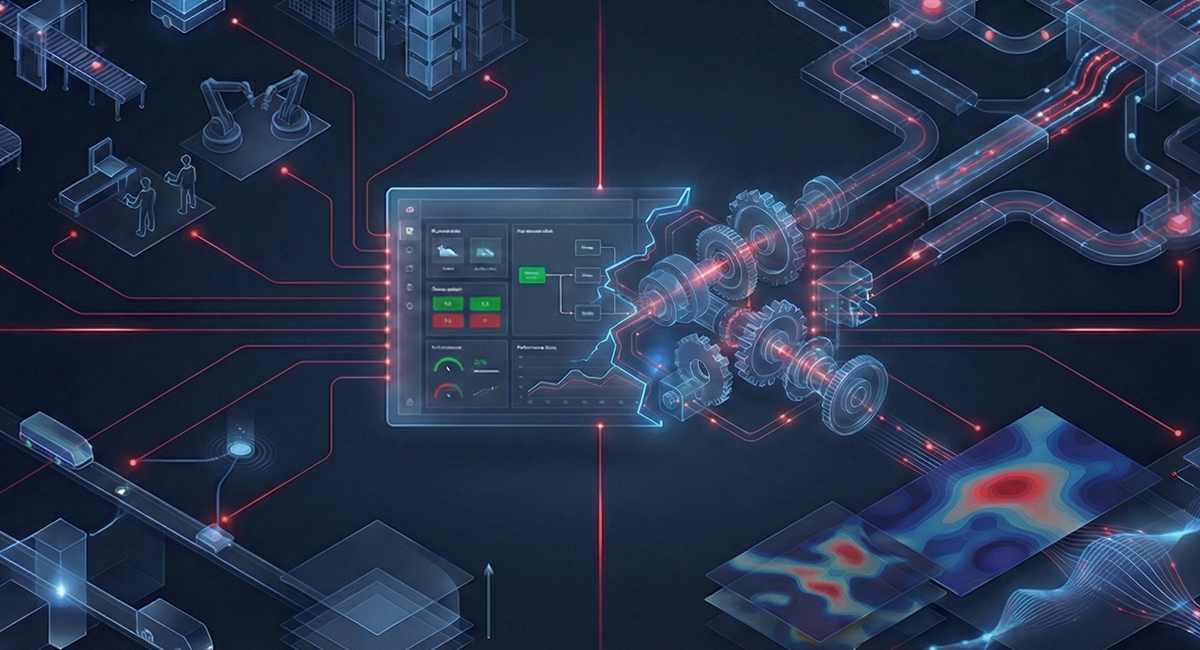
At the center of this approach sits the Warehouse Control and Execution System (WES/ WCS). Often unseen, the WCS/ WES acts as the central brain connecting and managing all the robotics and automation systems of the warehouse and orchestrating those automated workflows in real-time and in synchronization with the Warehouse Management Software (WMS). It connects equipment from multiple providers, synchronizes automated processes in real time, and ensures that every system reacts correctly to what is happening on the floor. It balances workloads, tracks inventory, manages exceptions, and keeps operations running smoothly even during peak demand or unexpected disruptions.
In simple terms, the WES/ WCS is the glue that holds modern automation and robotics together to operate as an orchestra interacting together to create synchronized operations. Without a strong orchestration layer, even the most advanced machines remain isolated and cannot deliver their full potential.
As warehouses evolve, the industry is moving toward environments where multiple automated and robotic systems work together to enable smarter, more autonomous and intelligent operations. When properly integrated, these technologies are paving the way for highly efficient and increasingly unmanned warehouses. However, automation alone is not the goal. The real differentiator is investing in the right software platform to orchestrate, connect, and continuously optimize these systems.
The rise of one-stop-shop automation solution providers
As integration complexity grows, many organizations are realizing that selecting the right systems, evaluating and managing multiple vendors, and ensuring proper project execution is becoming a complex and time-consuming exercise for the internal teams, adding up unnecessary risk in their transformation journey. This has led to the rise of true One-Stop-Shop Customer-Centric solution integrators.
A One-Stop-Shop Solution Partner goes beyond supplying equipment or software. The partner takes full responsibility for solution design, system integration, implementation, and long-term support. For customers, this means one point of contact, clear accountability, and fewer gaps between strategy and execution. It reduces project risk, accelerates deployment, and ensures that all solution components are designed and integrated to seamlessly work together from day one and deliver the expected outcomes as per the customer expectations.
Looking ahead, the future of warehousing will not be defined by who and where the machines are produced , but by the true partner who can design, integrate, orchestrate and guarantee the right solution for each operation. Solution Integration, powered by the right software and delivered through One-Stop-Shop Customer-Centric Partner, is what enables scalable, resilient, and future-ready warehouses.
Let’s Talk About Your Warehouse!